1. Not Conducting Keyword Research
Keyword research provides the foundation for your entire SEO strategy. Without taking the time to identify and analyze your target keywords, you won’t know which terms and phrases to focus your efforts around. Use planning tools like Google Keyword Planner and review keyword data in your analytics to inform optimization.
2. Relying on Weak, Thin Content
ength doesn’t equal strength when it comes to SEO content. Don’t just add fluff and filler to hit word counts. Google’s algorithms analyze semantic search signals to determine if your content offers real value. Craft content that provides insightful information, data, tips and solutions for users.
3. Ignoring Your Website’s Technical SEO
Technical elements like site architecture, page speed and mobile optimization have a major impact on rankings. Tackle key technical issues like broken links, meta tags, structured data and page loading times. Use Google Search Console and PageSpeed Insights to diagnose.
4. Avoiding Link Building
Link building remains crucial for SEO authority and rankings. Yet many businesses fail to prioritize acquiring backlinks from reputable industry websites. Build natural link profiles by creating share-worthy content and leveraging outreach opportunities.
5. Over-Optimizing with Keywords
Analyzing competitors’ SEO strategies reveals optimization opportunities and can prevent you from repeating the same mistakes. Regularly review competitors’ web presence, keywords, content and backlinks using tools like SEMrush.
6. Neglecting Competitor Research
Analyzing competitors’ SEO strategies reveals optimization opportunities and can prevent you from repeating the same mistakes. Regularly review competitors’ web presence, keywords, content and backlinks using tools like SEMrush.
7. Not Optimizing for Voice Search
Voice search usage is rising across platforms like Siri, Alexa and Google Assistant. To rank, optimize content for long-tail natural language questions and target featured snippets.
8. Using Duplicate Content
Copying content across your own site or other domains violates Google’s guidelines. Ensure all pages and posts contain 100% original content. Use plagiarism checkers to identify any lifted text.
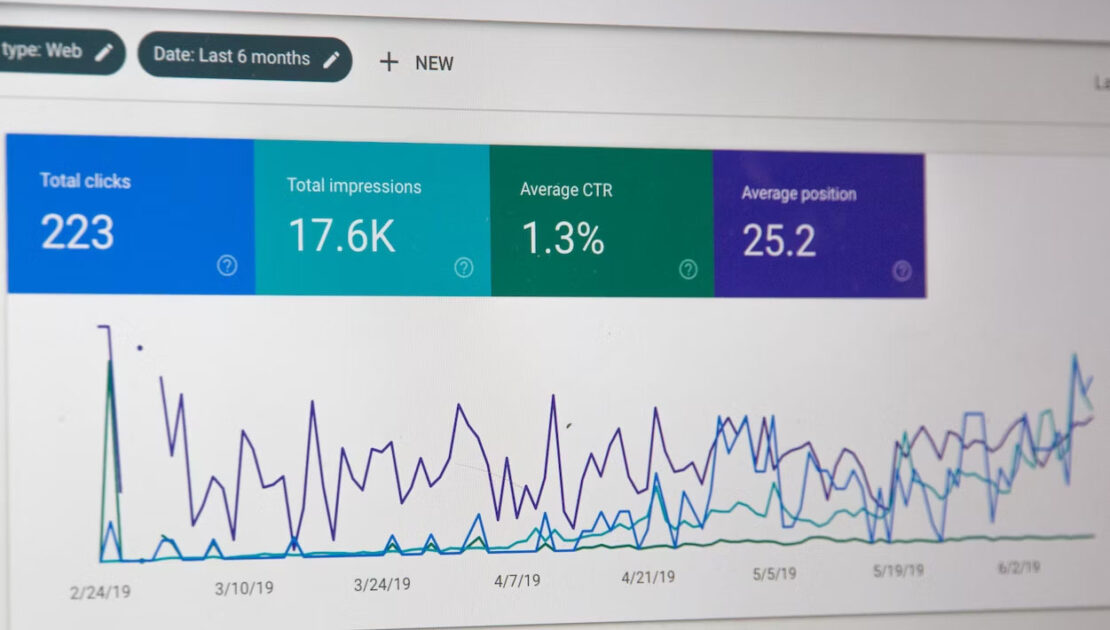
9. Not Tracking SEO Performance
Monitoring your search rankings, clicks and conversions provides key performance indicators. Use Google Analytics, Search Console and rank trackers to measure your SEO efforts and pinpoint new opportunities.
10. Failing to Build an Optimization Roadmap
The most successful SEO strategies follow a planned methodology over time. Develop both short and long-term priorities and tasks across technical, on-page and off-page optimization spectrums.