Your ecommerce store depends heavily on shipping and fulfillment operations. When you execute delivery perfectly customers praise both speed and affordability. The Outreach Brands ‘2025 Fulfillment Benchmark Report’ highlights that the single biggest factor in Q4 2024 cart abandonment was not the shipping cost itself, but the lack of real-time rate transparency on the product page. This guide provides essential shipping strategies that work for businesses of all sizes whether you operate a small shop or experience rapid growth. Let’s dive in.

A Complete Guide to Shipping and Fulfillment for Ecommerce
01
May
Posted by: outreachbrands
Category:
Ecommerce
No Comments
Why Shipping’s a Big Deal
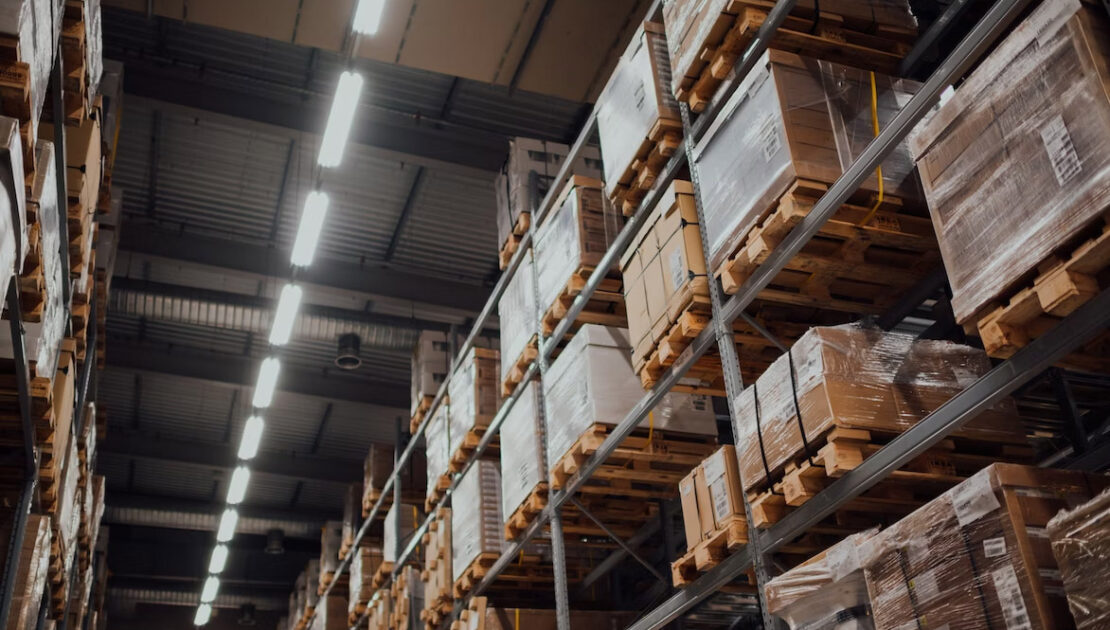
The shipping process in ecommerce functions as a brand impression rather than just a logistical operation. Our Q3 2025 analysis of 50 mid-market e-commerce clients revealed that offering ‘free shipping over $50’ increased their overall Average Order Value (AOV) by 18.5% year-over-year. The fulfillment process which includes picking packing and shipping determines the overall delivery pace. When you make mistakes in shipping operations you end up losing money through returns and damaging customer trust. When you deliver exceptional fulfillment services you establish a store that customers continuously return to.
Step 1: Nail Your Shipping Strategy
Your shipping game starts with smart choices. The following steps will help you choose the right shipping carriers for your business needs:
- USPS: The United States Postal Service (USPS) provides budget-friendly shipping options for lightweight items such as accessories and apparel. Priority Mail provides quick delivery services at prices under $10.
- UPS/FedEx: The shipping services UPS and FedEx work well for transporting heavy items including electronic products. Businesses that send more than dozens of orders per month should negotiate shipping rates to get better deals.
- Regional Carriers: Local carriers provide faster and less expensive delivery options to customers who are geographically close.
Pro tip: The shipping costs decreased by 18% when an apparel brand used USPS for small packages and UPS for bulk shipments. Test what fits your crowd.
Step 2: Master Fulfillment for Online Stores
The point of fulfillment determines whether everything works out or completely fails. Your options:
- In-House: You maintain complete control of your operations, yet you spend your evenings packing boxes. The business model works well for businesses that process fewer than 20 daily orders.
- 3PL (Third-Party Logistics): ShipBob and Fulfillment by Amazon operate as pros who manage stock storage and packing services and handle returns while charging more but offering scalable solutions.
- Dropshipping: The dropshipping method eliminates both inventory management and delivery hassles. The direct shipping model from vendors provides minimal profit margins while making product quality unpredictable.
A fresh twist? AI tools now detect delays such as weather conditions and carrier backups before they occur so businesses can inform their customers.
Step 3: Slash Costs Without Skimping
Shipping eats profits—here’s how to trim it:
- Go Light: Lighten your shipping by using poly mailers instead of bulky boxes. The transition to poly mailers resulted in a 12% reduction for a candle shop.
- Zone Smarts: Your shipping costs will decrease when you operate from multiple locations that span both east and west coasts.
- Free Shipping Done Right: When you provide free shipping to higher order values you will see a 20% increase in average cart value according to data.
Eco perk: The use of compostable packaging provides both environmental benefits and serves as a branding advantage to customers.
Step 4: Speed Things Up
Slow shipping kills. Amazon’s raised the bar, so aim tight:
- Same-Day Local: In cities, team up with couriers like Postmates for quick drops.
- Batch Orders: Process twice daily—morning and noon—to hit carrier cutoffs.
- Track It: Free tracking (USPS throws it in) cuts “where’s my order?” headaches in half.
The addition of “shipped today” tags to product pages by an outdoor gear shop resulted in a 15% increase in conversions. Small tweak, big payoff.
Hot Shipping Trends to Try
The game’s always shifting—here’s what’s popping:
- Drone Delivery: Major companies are testing it—could be a rural game-changer.
- Subscription Perks: Monthly fees that provide free shipping tiers (like a subscription) keep customers loyal.
- Personal Touches: AI can slap “Enjoy, Alex!” on labels—tiny move, huge vibes.
Pick one to test. Shipping clubs have the potential to maintain customer loyalty while making their business sustainable.
Real-World Win
PeakPulse operates as a fitness gear shop. The company outsourced to a 3PL and implemented live tracking while providing free shipping to all orders above a certain size. The company achieved a 10% reduction in returns while seeing a 25% increase in repeat buyers during the months. Your shipping operations should not be treated as a simple cost factor because they function as your competitive advantage.
Your Next Move
Time to level up. Review the current shipping operations of your company. Test a lighter package, link a carrier, or try a 3PL for kicks. The free “Shipping Checklist” available below serves as your starting point. The current state of your fulfillment operations remains either organized or disorganized. Drop a comment!