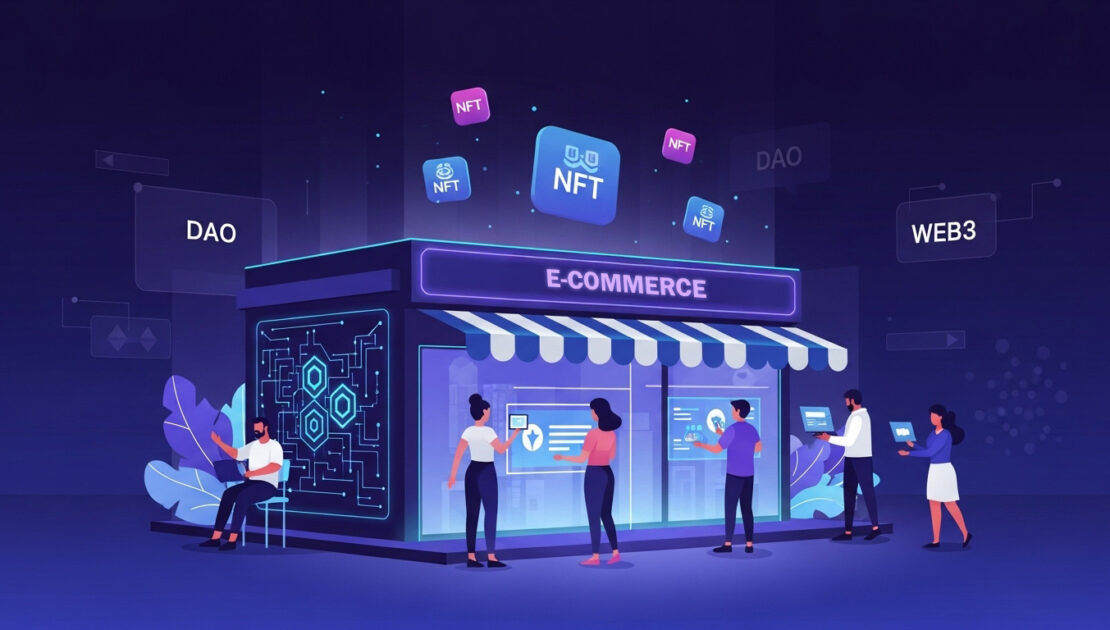
The world of tomorrow will allow customers to possess actual ownership of your brand. Web3 technology in 2025 makes this future possible by implementing blockchain and NFTs and DAOs to transform e-commerce operations. Web3 gives customers ownership rights through its decentralized approach which provides transparent community-driven brand experiences. The decentralized era requires brands to develop an identity that will thrive successfully. The guide presents a comprehensive approach to developing Web3 brand identity for e-commerce by uniting digital marketing strategies with development methods and branding approaches to achieve market differentiation.
Web3 represents a fundamental change in the way things operate. The adoption of decentralized technologies by brands continues as Gucci launches NFT collections and Starbucks implements blockchain-based loyalty programs to reach tech-oriented consumers. E-commerce businesses need to transform their storytelling methods and customer interaction approaches and trust-building strategies because of Web3 technology. This article examines the process of developing Web3 brand identity which both attracts and converts customers.
A Web3 brand identity extends past the basic elements of logos and color schemes. A Web3 brand identity requires the development of digital content which supports decentralized values through transparency and community involvement and ownership principles. Traditional e-commerce branding maintains platform consistency across Shopify and Amazon platforms. Web3 requires businesses to integrate their brand identity into blockchain networks and NFT marketplaces and decentralized applications (dApps).
A Web3 brand identity requires the following essential components:
- Authenticity: Using blockchain to verify product origins or sustainability claims. Community
- Engagement: Customers can participate in brand decision-making through DAOs (Decentralized Autonomous Organizations).
- Digital Collectibles: Leveraging NFTs to create exclusive, ownable brand assets.
- Transparency: Showcasing supply chain or pricing details on public ledgers.
The fashion e-commerce brand uses NFTs to create limited-edition digital ownership certificates which link to physical products. The exclusive ownership experience creates loyal collectors who form a dedicated community.
The e-commerce landscape is evolving. The global e-commerce market will reach more than $7 trillion by 2025 according to Statista projections while Web3 technologies will lead this expansion. Web3 branding represents a transformative force in the market.
- Consumer Trust: Blockchain’s transparency addresses concerns about counterfeit goods or unethical practices.
- New Revenue Streams: NFTs and tokenized loyalty programs create upsell opportunities.
- Community Loyalty: DAOs let customers co-create products or campaigns, fostering deeper connections.
- Competitive Edge: Early adopters of Web3 stand out in saturated markets.
Take Nike, for instance. The.SWOOSH platform which Nike launched in 2023 enables users to purchase virtual sneakers alongside exclusive community benefits through NFTs. The implementation of such initiatives during 2025 resulted in millions of dollars in revenue while establishing Nike as a prominent Web3 brand.
Step 1: Define Your Web3 Brand Values
The first step involves making your brand match Web3 values. Ask yourself:
- My brand story will improve through what level of transparency. (e.g., blockchain-verified supply chains)
- Can customers actively participate in the development of my brand identity? (e.g., DAO voting for product designs)
- I should introduce digital ownership options through which mechanism. (e.g., NFTs for exclusive products)
The coffee e-commerce brand demonstrates transparency through blockchain-based bean tracking from farm to customer which builds trust with customers. Your Web3 identity needs values such as sustainability alongside community and exclusivity to guide your operations.
Step 2: Integrate Blockchain for Transparency
Web3 operates on blockchain technology as its foundational element. Your brand credibility will improve when you utilize blockchain technology. For e-commerce, this could mean:
- Supply Chain Tracking: A public ledger such as Ethereum or Polygon supports the tracking of sourcing and production activities.
- Smart Contracts: The system uses Smart Contracts to perform automated trust-based procedures such as refund processing and loyalty rewards distribution.
Actionable Tip: You should team up with VeChain or IBM Blockchain platforms to establish supply chain transparency according to this action plan. The affordability of Polygon’s low-cost transactions allows small businesses to adopt blockchain solutions.
Step 3: Create NFT-Based Brand Assets
NFTs function as robust branding instruments that extend beyond their role as digital artwork. Develop NFT items which connect to your products such as:
- Digital collectibles which link to physical goods (for instance a sneaker NFT with a real matching pair).
- Exclusive membership programs exist for loyal customers through NFT passes that grant VIP discount benefits.
- Limited-edition digital merchandise should be created for brand ambassadors.
Case Study: The Web3 community of loyal fans emerged after Adidas released “Into the Metaverse” NFTs which generated $22 million in sales through a complete sell-out in just hours. Small businesses should use OpenSea and Rarible to create affordable NFTs for their start-up operations.
Step 4: Build a Community with DAOs
Through Decentralized Autonomous Organizations (DAOs) customers gain the power to make decisions for the brand. For example:
- A DAO system allows customers to decide on new product designs through voting mechanisms.
- The system distributes tokenized incentives (e.g., brand tokens) as compensation to contributors.
Actionable Tip: The setup of a DAO requires the implementation of tools such as Aragon and Snapshot. The initial community selection should involve voting for a single marketing campaign to measure its engagement level.
Step 5: Optimize for Decentralized Marketplaces
The decentralized marketplaces OpenSea and Magic Eden serve as main platforms where Web3 e-commerce businesses succeed. To succeed on these platforms your brand needs to meet specific requirements by:
- The process of developing NFT listings requires storytelling elements to make them compelling.
- Your Web3-friendly visual assets including logos and banners should be ready for 3D or AR functionality.
- Your online store needs to integrate crypto-friendly payment solutions through Coinbase Commerce.
Pro Tip: The promotion of NFTs between social media platforms on X will bring more customers to your decentralized store.
Step 6: Leverage Digital Marketing for Web3
Web3 needs a new approach to digital marketing even though traditional marketing principles remain valid. Focus on
- Web3 SEO: Web3 SEO requires you to optimize your content with search terms such as “NFT marketplace,” “blockchain e-commerce,” and “Web3 branding.”
- Community Engagement: The development of Web3 communities depends on Discord or Telegram platforms.
- Influencer Partnerships: Web3 influencers on X and YouTube should collaborate with your brand to advertise NFTs and DAOs.
Example: A skincare brand can use Web3 influencer partnerships to market NFT-based loyalty programs which simultaneously boost sales and brand visibility.
Web3 isn’t without hurdles. Here are common challenges and solutions:
- High Costs: Blockchain transactions (gas fees) can be expensive. Solution: Use layer-2 solutions like Polygon or Optimism for lower fees.
- Technical Complexity: Web3 development requires expertise. Solution: Hire freelance blockchain developers or use no-code platforms like Thirdweb.
- Consumer Skepticism: Some customers distrust NFTs or crypto. Solution: Educate your audience with transparent content about Web3’s benefits.
- Starbucks Odyssey: Starbucks Odyssey operates as a blockchain-based loyalty program which gives customers NFTs after they finish challenges to boost both customer engagement and sales.
- Gucci Vault: Gucci Vault operates as a Web3 platform which unites NFTs with physical luxury goods to deliver a unified brand experience.
- Doodles: Doodles established itself as an NFT-first brand through narrative-driven storytelling and exclusive digital collectibles which proved e-commerce success in Web3.
Small businesses can achieve success in Web3 branding through creative approaches and strategic planning according to these examples.
To get started, explore these tools:
- Blockchain Platforms: Ethereum, Polygon, Solana for NFT minting and smart contracts.
- NFT Marketplaces: OpenSea, Rarible, Magic Eden for selling digital assets.
- DAO Tools: Aragon, Snapshot for community governance.
- Development Platforms: Thirdweb, Moralis for building Web3 apps without deep coding knowledge.
Pro Tip: Start with low-cost platforms like Polygon to test your Web3 strategy before scaling to Ethereum.
Gartner predicts Web3 will drive 20% of e-commerce transactions by 2026. Brands need to take the following steps to remain competitive:
- Brands should test new technologies which combine AR with NFTs.
- Brands should develop hybrid business models that unite Web2 traditional e-commerce operations with Web3 capabilities.
- Brands should make community-driven storytelling their top priority to build loyal customer bases.
The decentralized era rewards brands that embrace innovation and authenticity. Web3 provides small boutiques and global retailers with unlimited opportunities to transform their e-commerce presence.
Your e-commerce brand can enter the decentralized future through our services. Our team at Outreach Brands creates Web3 strategies that unite branding with digital marketing and development. Our team provides NFT launch services and blockchain integration solutions to help you differentiate your brand in the Web3 era. Our team is ready to assist you through a consultation that will help you create brand identity for future consumers.
For more information about Outreach Brands’ forward-thinking digital marketing services, complete the online request form below.