The digital world has experienced a major transformation because smartphones now serve as the main internet access point for billions of users. Mobile-first web design has evolved from an optional feature into an essential requirement because it focuses on creating perfect mobile experiences before expanding to larger screens. Websites that follow this approach deliver fast loading speeds and simple navigation and perfect functionality on mobile devices because these devices generate more than 60% of worldwide web traffic according to Statista. Businesses and developers need to implement mobile-first strategies because they enhance search rankings and deliver exceptional user experiences while remaining competitive in an evolving user behavior and search engine algorithm landscape.

Mobile-First Web Design Is Essential for Today’s Digital Landscape
Why Mobile-First Matters
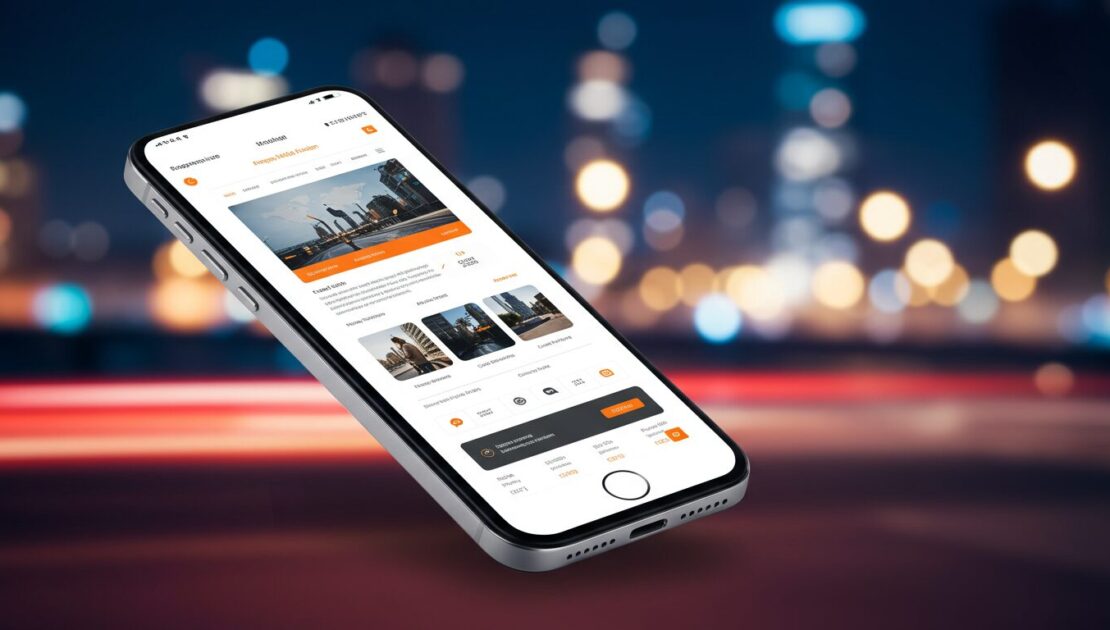
Mobile-first web design begins with screen limitations to deliver essential content and functional elements which produce efficient user-centered experiences. The method creates a lean foundation which scales upward because it differs from traditional desktop-first approaches that produce bloated sites which fail to adapt to mobile devices. Key priorities include:
- Fast load times: Optimized to load in under three seconds, as 53% of mobile users abandon slower sites, per Google research.
- Touch-friendly interfaces: Buttons and menus designed for tapping and swiping, ensuring effortless navigation.
- Core content focus: Streamlined layouts that highlight critical information without requiring excessive scrolling or zooming.
Developers implement progressive enhancement through CSS media queries to create adaptable layouts for larger screens while preserving clean efficient code. The method follows worldwide trends especially in Asia and Africa because mobile traffic surpasses 80% due to smartphone penetration and insufficient desktop networks.
SEO and Mobile-First Indexing
Search engines now base their ranking decisions on mobile performance optimization. The standard implementation of Google’s mobile-first indexing since 2020 requires websites to receive their search ranking evaluation from their mobile versions. A website with poor mobile performance will negatively affect its visibility even if its desktop version performs well. Critical SEO factors include:
- Page speed: The combination of optimized images with minified code and content delivery networks (CDNs) helps reduce latency which leads to better search rankings.
- Responsive design: The use of responsive design creates fluid layouts which automatically adjust to different screen sizes to provide users with consistent experiences on all devices.
- Accessibility: The implementation of high-contrast modes together with voice-over support through WCAG standards improves discoverability.
A website optimized for mobile devices enhances both search engine optimization and user retention because users tend to stay on websites that work properly on their devices.
Enhancing User Experience and Conversions
Users in the modern era require immediate seamless interactions which include fast-loading pages alongside easy navigation and content that adjusts to their device orientation. Mobile-first design achieves these expectations through interface simplification and barrier elimination. The conversion rates for e-commerce increase by up to 20% when mobile experiences are optimized according to industry studies. Users abandon websites when mobile performance is poor because high bounce rates make search engines understand their dissatisfaction. The real-world examples demonstrate how mobile-first design changes led to significant results: Airbnb achieved 300% more mobile bookings and The New York Times experienced increased reader engagement through smartphone content access.
Technical Foundations of Mobile-First Design
The mobile-first workflow starts with wireframes that focus on mobile views while prioritizing essential elements which include headlines, calls-to-action and forms. The responsive grids of CSS frameworks Bootstrap and Tailwind CSS enable smooth scaling across different devices. Real device testing instead of emulator testing guarantees that websites work properly across all screen resolutions and operating systems. The performance optimization techniques of image compression and lazy loading and CDN utilization remain essential for mobile networks with slow speeds. Progressive web apps (PWAs) extend this functionality by providing app-like features including offline functionality and push notification capabilities. X and Starbucks have implemented PWAs which resulted in better user retention and faster page loading speeds.
Future-Proofing with Mobile-First
Mobile-first design enables websites to become ready for upcoming technological advancements including 5G networks and foldable screens and voice-operated interfaces. A mobile-first foundation provides businesses with flexibility to adapt their websites for emerging user behaviors which enables smooth integration with AI assistants and wearable technology. The method fulfills present requirements while building foundations for enduring mobile dominance in the future.
Businesses that adopt mobile-first web design achieve better SEO and higher user engagement and conversion rates because they follow how users currently interact with the web. The mobile-first approach represents a fundamental business requirement for organizations that want to succeed in a mobile-dominated world.
For more information about Outreach Brands’ forward-thinking digital marketing services, complete the online request form below.