Ultimate Guide to Ecommerce Shipping and Fulfillment Strategies

Posted by: outreachbrands
Category: Ecommerce
Ecommerce Shipping and Fulfillment Strategies

In today’s fast-moving ecommerce landscape, shipping and fulfillment strategies can make or break the customer experience. The implementation of efficient processes leads to cost reduction and faster delivery and lower error rates and better customer satisfaction. The guide provides essential best practices for online retail logistics which include effective ecommerce shipping optimization and streamlined fulfillment and improved customer satisfaction methods.

Understanding Ecommerce Shipping and Fulfillment

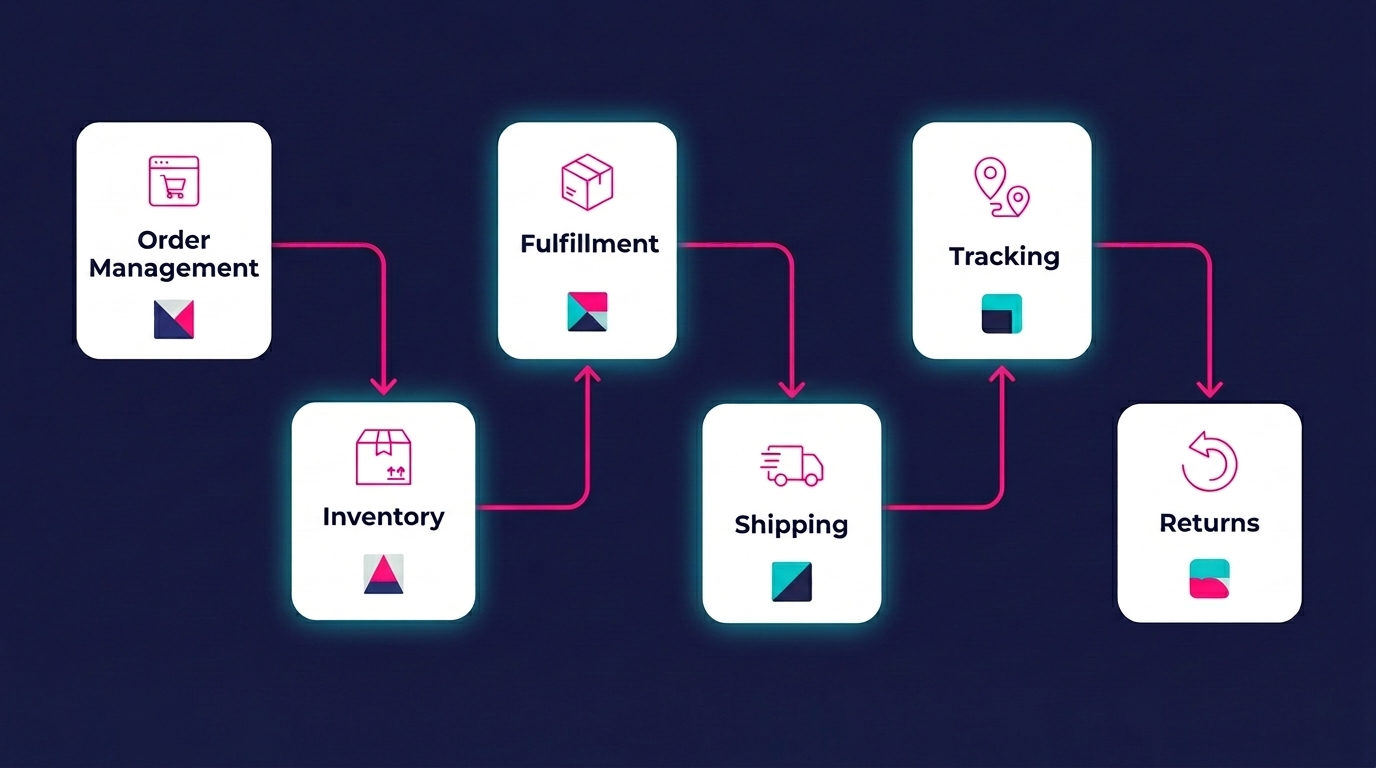
Ecommerce shipping and fulfillment cover every step of getting products from warehouse to customer. The process of shipping handles transportation operations but fulfillment encompasses all activities from order handling to inventory management and packaging services. The system achieves perfect performance through its combined elements which enable smooth ecommerce delivery operations while sustaining consistent customer satisfaction.

Key Components of Ecommerce Fulfillment

  • Inventory Management: Inventory Management enables businesses to monitor their stock quantities which prevents both stockout and overstock situations from occurring
  • Order Processing: The system speeds up all activities which begin with order entry and finish with shipment delivery
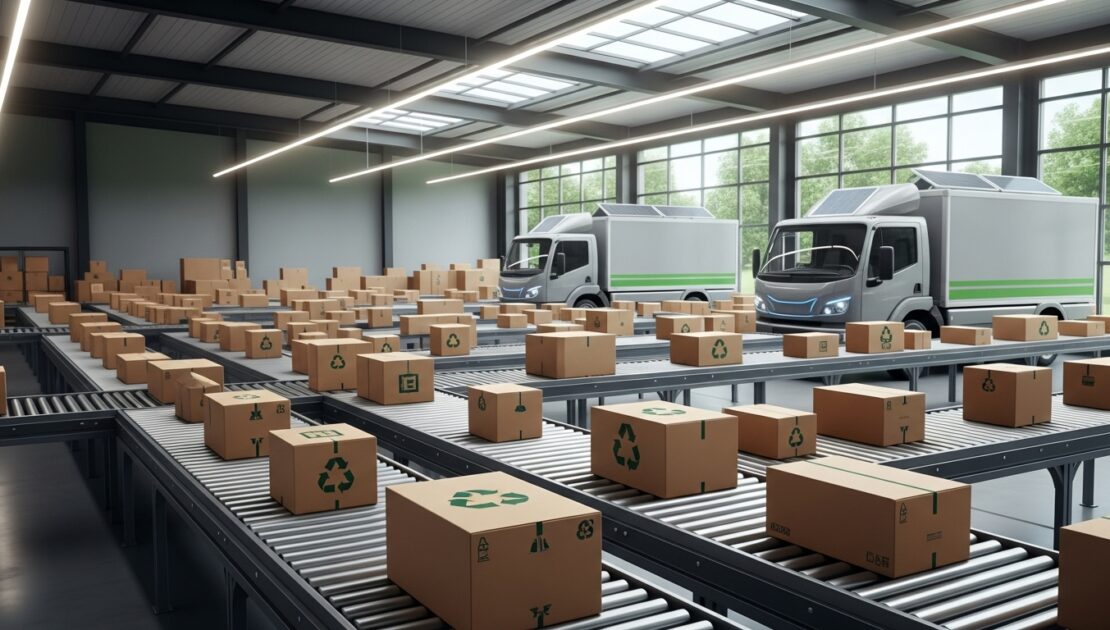
  • Packaging: The packaging needs environmentally friendly protective materials to protect items during shipping operations
  • Shipping: Choose reliable shipping companies to establish the most effective delivery routes
  • Returns Management: Returns Management: Simplify returns to strengthen customer trust and loyalty

Strategies for Optimizing Ecommerce Shipping

1. Partner with Reliable Carriers

The company needs to establish delivery partnerships with FedEx and UPS and DHL to ensure fast delivery services for its online store. The company should provide customers with different delivery choices by comparing delivery rates and tracking capabilities and shipping duration between standard and same-day delivery options.

2. Real-time tracking becomes achievable through the deployment of technological solutions.

Integrate platforms like ShipStation or AfterShip for automated tracking notifications. Transparent updates reduce customer service inquiries and improve trust.

3. Optimize Shipping Costs

  • Negotiate rates based on order volume.
  • Flat-rate shipping and zone-based shipping methods should be used to achieve cost predictability.
  • Free shipping thresholds should be implemented to boost the average order values of customers.

Streamlining Fulfillment Operations

1. Automate with Fulfillment Systems

The implementation of Warehouse management systems (WMS) together with fulfillment networks (Shopify Fulfillment Network and Amazon FBA) helps decrease mistakes while making order handling more efficient. Automation frees teams to focus on growth instead of manual tasks.

2. Implement Multi-Warehouse Strategies

The strategic placement of inventory near customers leads to faster delivery times and lower transportation expenses. The best warehouse location needs customer location data analysis to achieve maximum operational efficiency.

3. Prioritize Sustainable Packaging

Eco-friendly packaging solutions that include recyclable boxes and biodegradable fillers and compostable mailers attract environmentally conscious consumers while building positive brand perception.

Enhancing Customer Satisfaction

1. Offer Flexible Delivery Options

The delivery system allows customers to choose from same-day delivery and scheduled time slots and pickup points that fit their individual time needs.

2. Simplify Returns and Refunds

A hassle-free returns policy creates trust with customers. The integration of prepaid label delivery systems with basic refund protocols helps companies transform dissatisfied customers into dedicated customers.

3. Communicate Proactively

The system should send automatic notifications for order confirmations and shipping updates and delivery status updates. The process of clear communication enables customers to understand information better which leads to decreased uncertainty and higher customer satisfaction.

Measuring and Improving Performance

The following metrics need to be tracked for fulfillment strategy optimization.

  • Order Accuracy: Order Accuracy represents the proportion of orders that were executed correctly.
  • Delivery Times: Speed and reliability of ecommerce shipping.
  • Return Rates: Insight into product quality and fulfillment issues.

Regular reviews of carrier performance should be conducted to check if the services align with business goals and customer feedback should be used to detect service delivery problems.

Path Forward: Revolutionizing Ecommerce Success

The process of mastering ecommerce shipping and fulfillment strategies demands organizations to find equilibrium between fast delivery times and affordable costs and customer satisfaction levels. Businesses can achieve operational excellence through automation and solid carrier partnerships and sustainable practices to create customer satisfaction. Your logistics operations will stay competitive in the market through regular performance assessments which lead to business expansion and customer retention.

For more information about Outreach Brands’ forward-thinking digital marketing services, complete the online request form below.

Contact us
Name
Name
First
Last
What Services Are You Interested In?