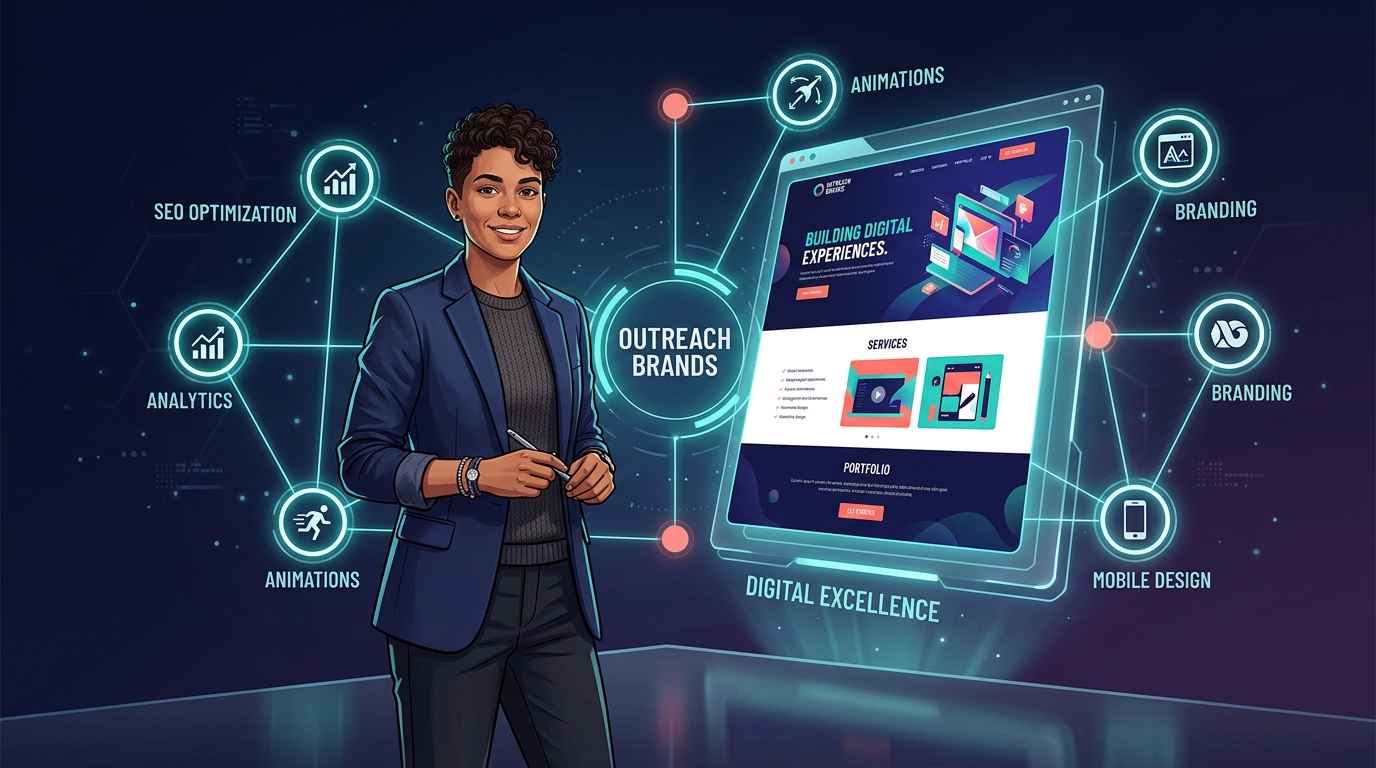
There’s a quiet revolution happening in web design — and you don’t need to be a developer to be part of it.
For years, building a professional, visually dynamic website meant either hiring an expensive agency or spending months learning to code. That equation is shifting fast. A new generation of AI-powered tools is putting serious creative capability in the hands of entrepreneurs, marketers, and small business owners who previously had to settle for cookie-cutter templates.
Two platforms sitting at the center of this shift are Claude Code and Nano Banana 2. Together, they represent a genuinely different approach to web creation — one where artificial intelligence handles the heavy lifting, and you stay focused on strategy, creativity, and results.
Table of contents
What Makes These Tools Different from Traditional Web Builders
Most website platforms give you a drag-and-drop editor and a library of pre-built blocks. That works — until you want something that actually stands out.
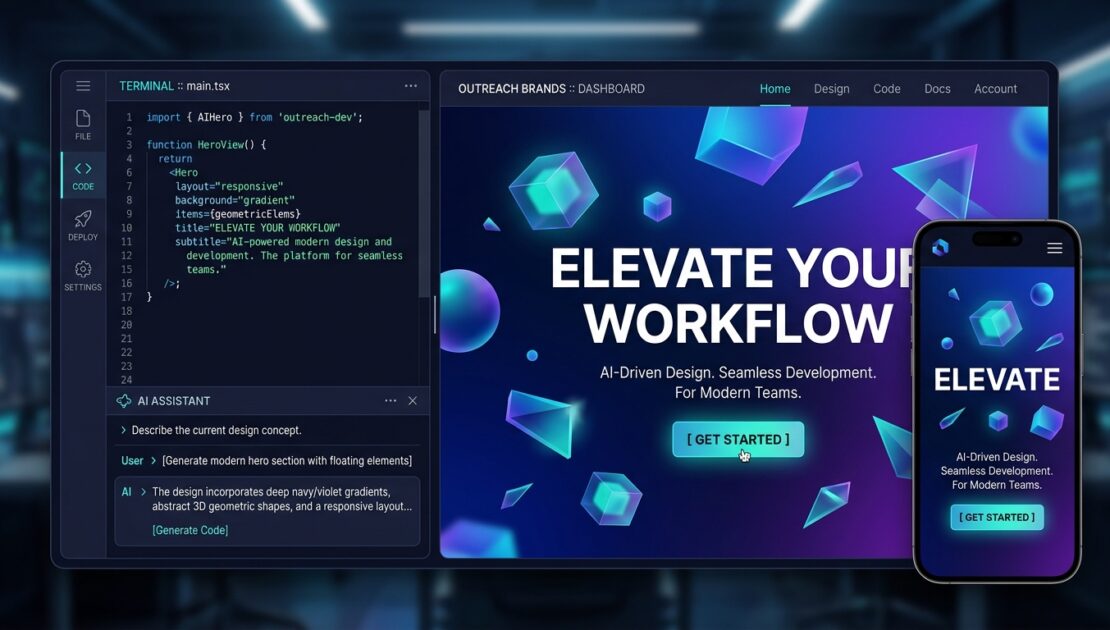
Claude Code is an AI-powered development assistant that writes, edits, and refines code based on natural language prompts. You describe what you want, and it builds it. Nano Banana 2 complements this by providing a visual design environment built for modern web standards — think responsive grids, scroll-triggered animations, and interactive elements that previously required a specialized front-end developer.
What makes the combination genuinely compelling isn’t just what each tool does individually. It’s the workflow they create together. Claude Code handles the logic and structure. Nano Banana 2 brings the visual polish. The result is a web design process that feels more like a creative conversation than a technical chore.
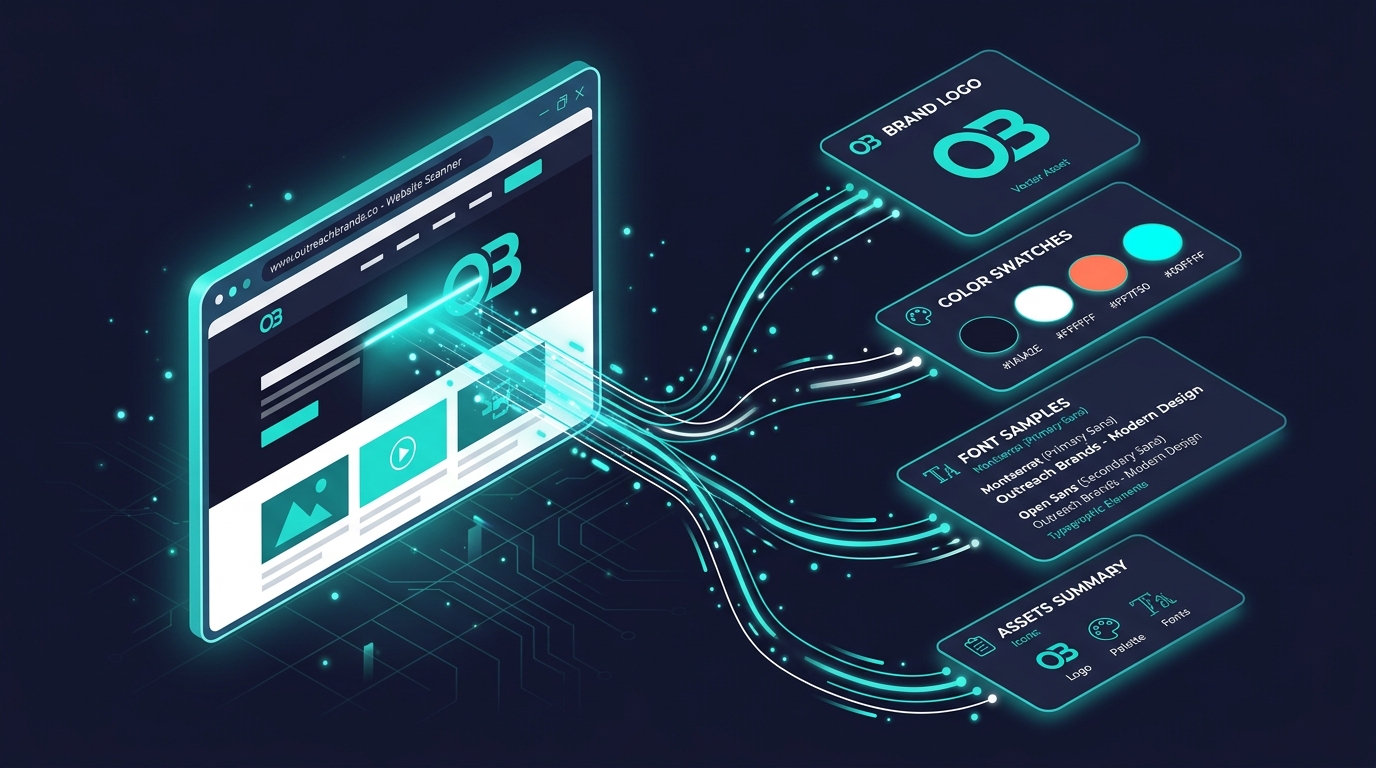
One of the standout automation features in this workflow is Firecrawl — a tool that scans an existing website and automatically extracts brand assets like logos, color palettes, and fonts. For anyone managing multiple client projects or building a new site that needs to match an established brand, this is a significant time-saver. Instead of manually pulling hex codes and downloading assets, you get a ready-to-use brand package in seconds.
The Building Blocks of a Modern, High-Performance Website
When you combine Claude Code and Nano Banana 2 in your workflow, a few capabilities stand out as genuinely game-changing for anyone serious about their online presence.
3D Animations That Actually Serve a Purpose
There’s a right and wrong way to use animation on a website. The wrong way is adding movement for its own sake, which slows load times and distracts visitors. The right way is using subtle depth, parallax scrolling, and scroll-triggered effects to guide attention and create an experience that feels alive.
Claude Code and Nano Banana 2 make it easy to add the right kind of animation — immersive 3D depth effects, moving background elements, and hover interactions that reward engaged visitors without overwhelming them. For brands trying to communicate innovation or premium quality, these elements send a powerful signal before a single word is read.
Responsive Design That Doesn’t Compromise
Mobile traffic now accounts for the majority of web visits across most industries. A site that looks beautiful on desktop but breaks on a phone isn’t just aesthetically frustrating — it’s actively costing you business.
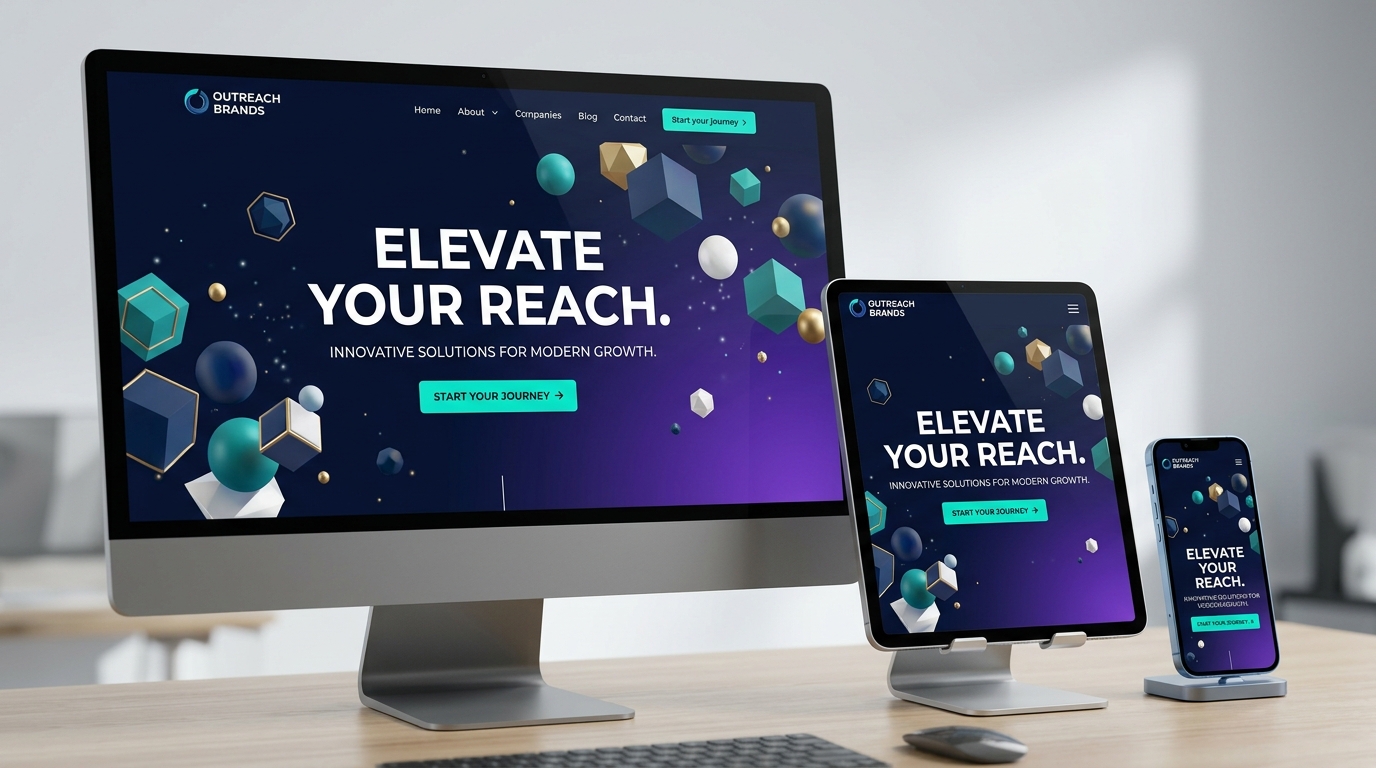
Both tools are built around mobile-first responsiveness. Layouts automatically adapt across screen sizes, and interactive elements are optimized for touch as well as mouse input. You build once, and it works everywhere.
Custom Visuals Without a Creative Team
Generating images, icons, and visual assets used to require either a designer or a budget for stock photography. Built-in prompt generation tools inside this workflow allow you to create custom visuals that are genuinely aligned with your brand’s look and feel — not just pulled from a generic library.
From Prototype to Published: A Practical Workflow
Understanding the tools is one thing. Knowing how to actually use them in a real project is another. Here’s how a streamlined Claude Code and Nano Banana 2 workflow typically looks from start to finish:
Step 1 — Gather Your Brand Foundation Use Firecrawl to pull brand assets from an existing website or reference source. If you’re starting from scratch, define your color palette, logo, and typography choices upfront. Having this foundation in place before you start designing prevents costly rework later.
Step 2 — Prompt Your Way to a Layout Use Claude Code to generate the structural framework of your site. Describe your goals in plain English: the number of sections, the type of content in each, the interactive features you want, and the overall feeling you’re going for. The AI translates this into functional code.
Step 3 — Layer In the Visual Design Bring your structure into Nano Banana 2 to apply visual polish — animations, depth effects, custom color treatments, and responsive behavior. This is where the site starts to look and feel like a finished product rather than a prototype.
Step 4 — Test Before You Launch Before any site goes live, it needs to be tested on multiple devices and browsers. Both tools support this process, and it’s worth being thorough. A glitchy animation or a broken mobile layout discovered before launch is a fix. Discovered after? It’s a problem that’s already costing you.
Step 5 — Deploy with Confidence Platforms like GitHub and Vercel offer reliable, scalable hosting that integrates smoothly with this workflow. Pair your deployment with a custom domain that reflects your brand, and you have a professional online presence that competes with sites built at a fraction of the cost.
SEO Isn't Optional — And These Tools Know It
A beautiful website that nobody can find isn’t a business asset — it’s an expensive piece of digital decoration. SEO has to be baked into the design process, not bolted on afterward.
The good news is that building with Claude Code and Nano Banana 2 makes smart SEO implementation more accessible than ever.
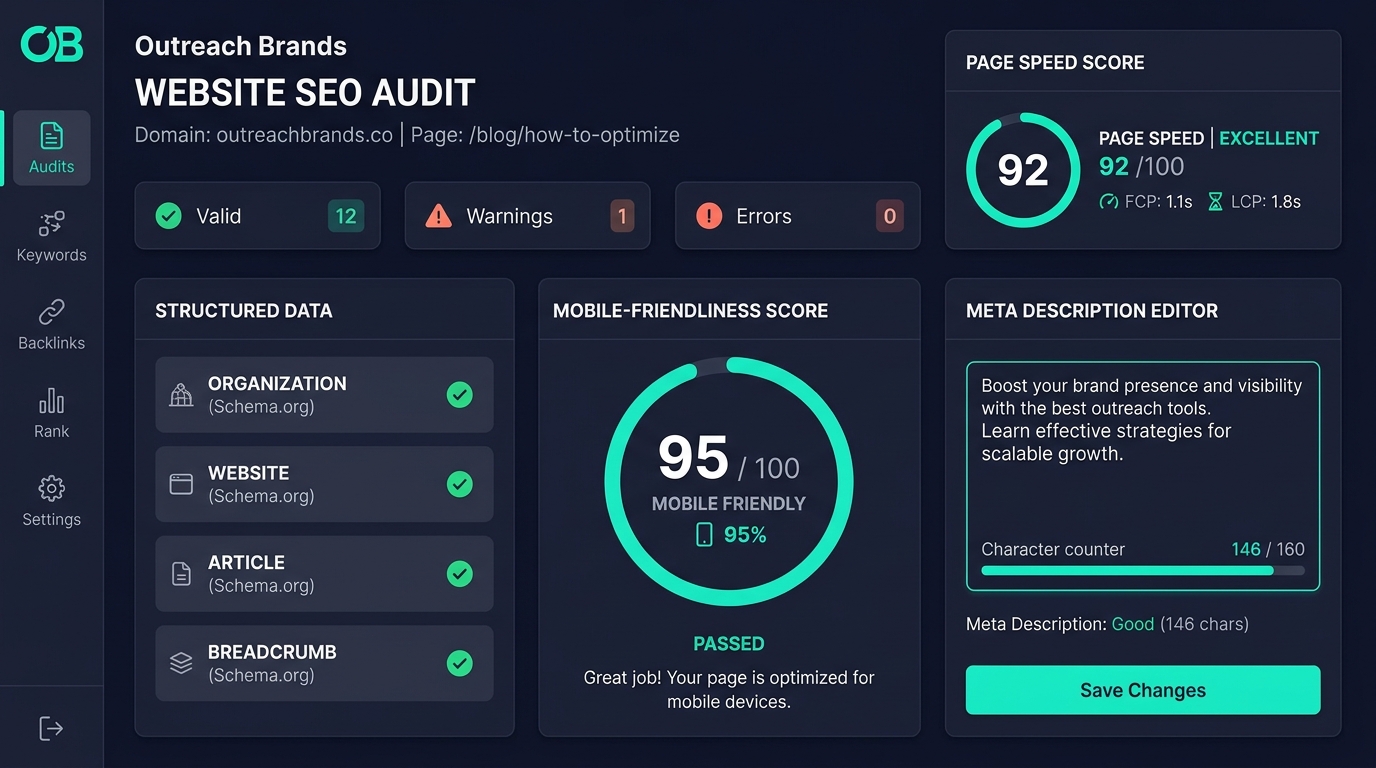
Structured data (schema markup) helps search engines understand what your content is about and can unlock rich results in Google — things like star ratings, FAQs, or event details appearing directly in search. Claude Code can generate this markup from a prompt, no manual coding required.
Meta descriptions, page titles, heading hierarchy, image alt text — these are the fundamentals of on-page SEO, and they’re all things you can prompt Claude Code to optimize as part of the build process rather than treating them as an afterthought.
Mobile optimization matters doubly for SEO. Google uses mobile-first indexing, meaning it evaluates the mobile version of your site when determining rankings. A responsive, fast-loading mobile experience isn’t just good UX — it directly affects where you appear in search results.
Finally, performance audits should be a regular part of your maintenance routine, not a one-time exercise. Page speed, broken links, crawl errors, and outdated content all chip away at your rankings over time. Building a habit of quarterly audits keeps your site competitive as the search landscape evolves.
Turning Web Design Skills Into a Scalable Business
For freelancers and agencies, Claude Code and Nano Banana 2 don’t just make individual projects better — they change the economics of running a web design business.
When automation handles time-consuming tasks like asset extraction, code generation, and responsive optimization, you can deliver higher-quality work in less time. That efficiency either goes back to you as profit margin, or forward to your clients as faster turnaround and more competitive pricing.
A few strategies that work particularly well when scaling a web design business with these tools:
Develop Reusable Systems, Not Just One-Off Websites. Create modular templates and design frameworks that can be adapted efficiently for new clients. You’re not starting from zero each time — you’re customizing a proven foundation.
Offer Ongoing Maintenance Plans. A website isn’t a product you deliver once. It needs updates, performance checks, content refreshes, and security maintenance. Packaging this as a monthly retainer creates recurring revenue and deepens your client relationships.
Specialize Rather Than Generalize. Web designers who serve everyone often struggle to stand out. Focusing on a specific industry — restaurants, law firms, eCommerce brands, medical practices — lets you build deep expertise and charge accordingly.
Upsell Connected Services. Once a client trusts you with their website, you’re well-positioned to offer SEO audits, content creation, analytics setup, and digital advertising. These services multiply the value you deliver without multiplying your workload proportionally.
The Bigger Picture: Why This Matters for Your Brand
At its core, the rise of tools like Claude Code and Nano Banana 2 is about democratization. Capabilities that were previously reserved for well-funded companies with development teams are now accessible to anyone willing to learn the workflow.
For business owners, that means no more settling for a template that sort of fits your brand. Your website can look and function at a level that builds real trust, communicates professionalism, and converts visitors into customers.
For designers and marketers, it means the ability to deliver more ambitious work without proportionally larger budgets or longer timelines. The creative ceiling goes up while the technical floor gets lower.
The question isn’t whether AI-powered web design is the future. It clearly is. The question is whether your brand is going to take advantage of it now — or spend the next few years watching competitors who did.
Ready to Build Something That Actually Works?
Web design has entered a new era, and the tools available today make it more accessible, more powerful, and more efficient than at any point in history. Claude Code and Nano Banana 2 represent a genuine shift in what’s possible — not just for developers, but for brands, businesses, and creators of every kind.
Whether you’re building your first website, redesigning an underperforming one, or scaling a web design business, the combination of AI-assisted development and smart visual design tools can take you further, faster.
The only thing left is to start.
For more information about Outreach Brands’ forward-thinking digital marketing services, complete the online request form below.