In the modern digital marketplace, time is of the essence and every millisecond matters. Studies have revealed that a single second of delay in page loading can lead to 7% decrease in conversion which underlines the significance of site speed in e-commerce. This is where edge computing comes in as a game changer in how online retailers provide content and how they handle data for enhanced customer journey.

Edge Computing: Accelerating E-commerce Performance
03
Jan
Posted by: outreachbrands
Category:
Web Development, Ecommerce
No Comments
Understanding Edge Computing in the E-commerce Context
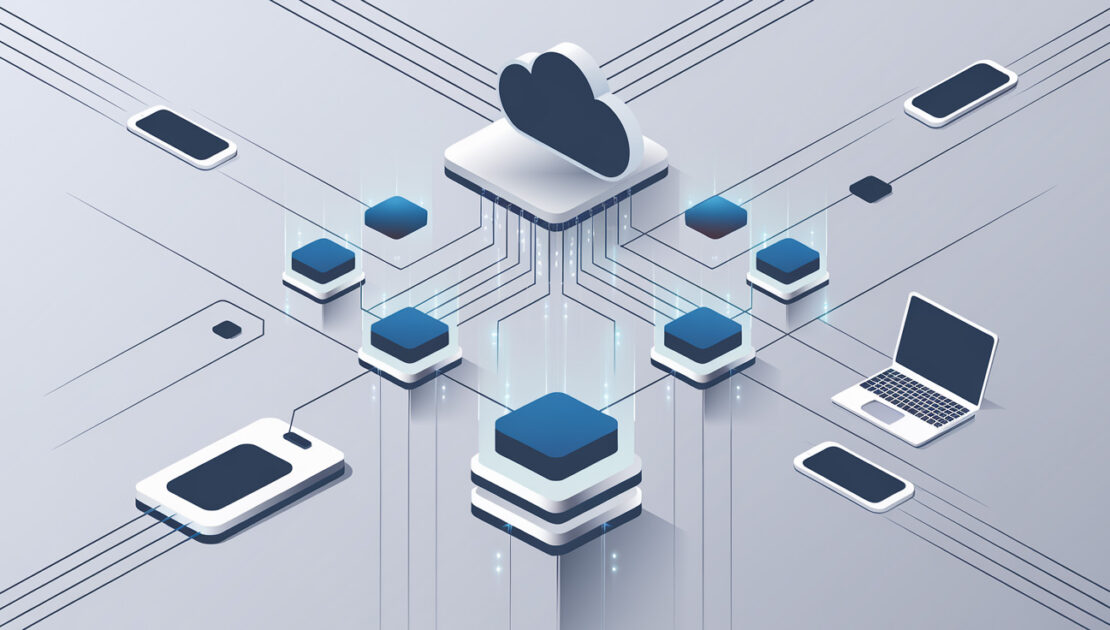
In the realm of cloud computing systems depend on centralized data centers that could be situated far off from your customers’ locations. In contrast, edge computing shifts the focus by bringing processing and storing data closer, to where it is actually required. At the “edge” of the network. Picture this; small-scale data centers spread throughout areas each catering to customers in its own vicinity instead of directing all requests through a central hub.
The Performance Benefits That Matter
The influence of edge computing on e-commerce performance is extensive and significant: The influence of edge computing on e-commerce performance is extensive and significant:
Dramatic Reduction in Latency
If a customer from Tokyo visits your US e-commerce website, the requests made by the customer will not cross the vast Pacific Ocean. Instead, they are processed by local edge servers and thus provide an almost instant response time. This is especially important for dynamic content that includes real-time inventory information and personalized product suggestions.
Enhancing the Delivery of Content
Such elements as product images, videos, and interactive content are also delivered from the edge server located closest to the user, which leads to faster page loading example, times. a For clothing company can provide high-quality pictures of products, including 360-degree views, without compromising on the site’s performance.
Improved Mobile Shopping Experience
Since more than 70% of the e-commerce traffic is generated through mobile phones, it is crucial for edge computing to enhance the delivery of content in accordance to the network conditions. The edge servers can also change the image quality and format depending on the type of device used by the user and his/her connection bandwidth.
Real-World Implementation Strategies
In order to implement edge computing in e-commerce it is recommended to use the following implementation strategies:
Strategic Placement of Edge Servers
Identify the best placement of edge servers based on your customer’s location and traffic flow. Target locations should be those that have a high concentration of customers or where there are opportunities for enhancement of some of the performance indicators.
Cache Optimization
In the use of intelligent caching at the edge, ensure the following data are cached at the edge: Product catalogs, pricing, and static content among others while ensuring that data from the central database is updated frequently on matters concerning inventory.
API Management at the Edge
Install API gateways in the edges to do authentication, rate limiting, and request routing. This in turn lightens the burden on the central servers and enhances the API response time.
Security Considerations in Edge Computing
Although edge computing provides a number of advantages over traditional data center computing, it also poses some security challenges that e-commerce companies have to contend with:
Distributed Security Measures
Ensure that all the edge points have strong security measures such as encryption, DDoS protection, and security checks from third parties on a regular basis. This is because edge computing enhances the security of networks as it identifies and addresses threats at nodes that are closest to the source.
Data Compliance
Make sure that your edge computing is in line with the legal requirements of data localization, for instance, the GDPR. It is possible for edge computing to assist with compliance as some data is processed within certain geographical regions only.
Looking Ahead: The Future of Edge Computing in E-commerce
There is a direct relationship between the development of edge computing in e-commerce and the following technologies:
5G Integration
More so with the advancement of 5G networks, edge computing will also be improved to support higher levels of real-time applications and augmented reality shopping for instance.
AI at the Edge
This is because machine learning models installed in edge nodes will allow for complex real-time recommendations and fraud prevention without the delays that are incurred when using central servers.
Measuring the Impact
To measure the advantages of edge computing, the following quantitative metrics are to be considered:
- Time to First Byte (TTB)
- Page loading times for various locations
- Server response time for dynamic content
- Cart abandonment rate
- Conversion rates by region
- Mobile performance metrics
Getting Started with Edge Computing
For those who are planning to incorporate edge computing to their e-commerce website, the following are the initial steps to consider:
- It is recommended that you perform an audit of your current performance metrics and determine which areas can be best optimized with edge computing.
- Begin with a pilot project of using the system in certain traffic-congested areas or any part of the website that needs high performance.
- Choose the best edge computing providers that are well aware of the e-commerce sector.
- Create a staged rollout plan where the focus is on achieving quick wins and gradually integrating the entire edge computing system.
Conclusion
It is not just a performance optimization, but rather a shift in the paradigm of how e-commerce platforms provide experiences to their customers. The role of edge computing will be even more important in the future as consumers expect faster and more accurate services in the digital world.
The right approach is to integrate the use of edge computing in a way that will enhance performance while at the same time addressing issues such as security and manageability. In this way, e-commerce companies can implement edge computing in a staged manner based on a well-defined strategy and achieve the fast and reliable experiences that consumers expect in the modern retail environment.
One thing to note is that in e-commerce, speed is not the only factor – it is about presenting the right information to the customer at the right time in the right manner. This is where edge computing comes in, and it is an indispensable tool for any company that wants to stay relevant in the modern e-commerce landscape.
For more information about Outreach Brands’ forward-thinking digital marketing services, complete the online request form below.