The brands winning in 2026 aren’t reacting to change—they’re driving it. Ecommerce is no longer a channel; it’s an ecosystem, and the businesses that thrive are those bold enough to adapt early, invest strategically, and connect authentically. From AI-powered personalization to omnichannel commerce and sustainability-first branding, the roadmap ahead is both exciting and demanding. This guide breaks down exactly where the market is heading—and how your brand can get there first.

Where Your Ecommerce Brand is Headed in 2026
17
Oct
Posted by: outreachbrands
Category:
Digital Marketing, Content Creation, Branding, Ecommerce
No Comments
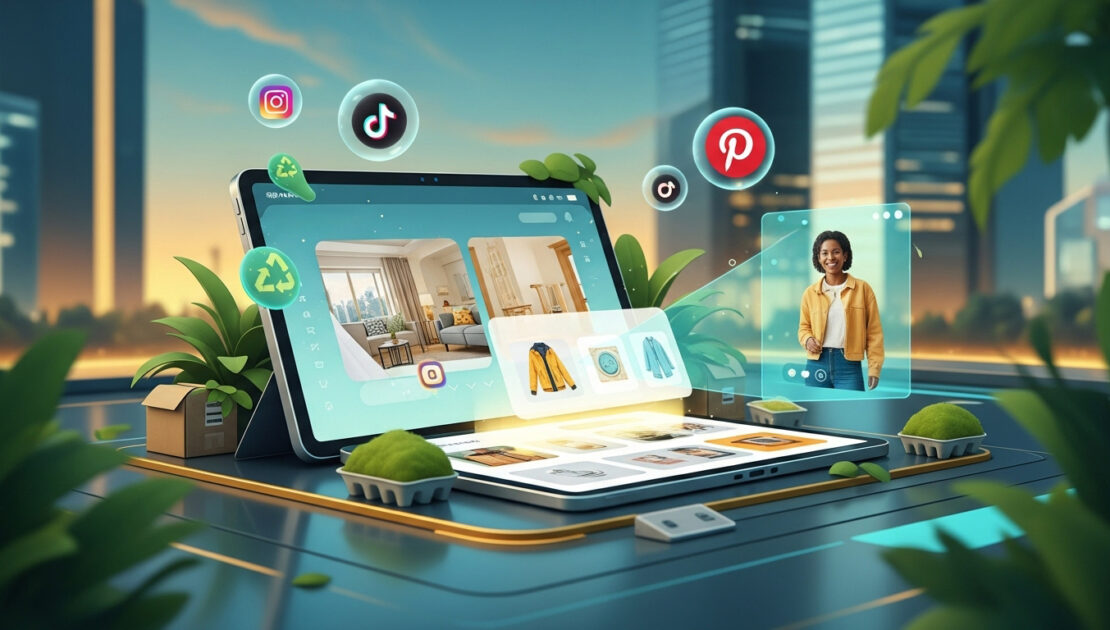
1. AI-Powered Personalization: From Nice-to-Have to Non-Negotiable
Customers no longer tolerate generic. Research consistently shows that the vast majority of consumers—roughly 80%—are more likely to buy from a brand that delivers a tailored experience. In 2026, that expectation is the baseline, not the bonus.
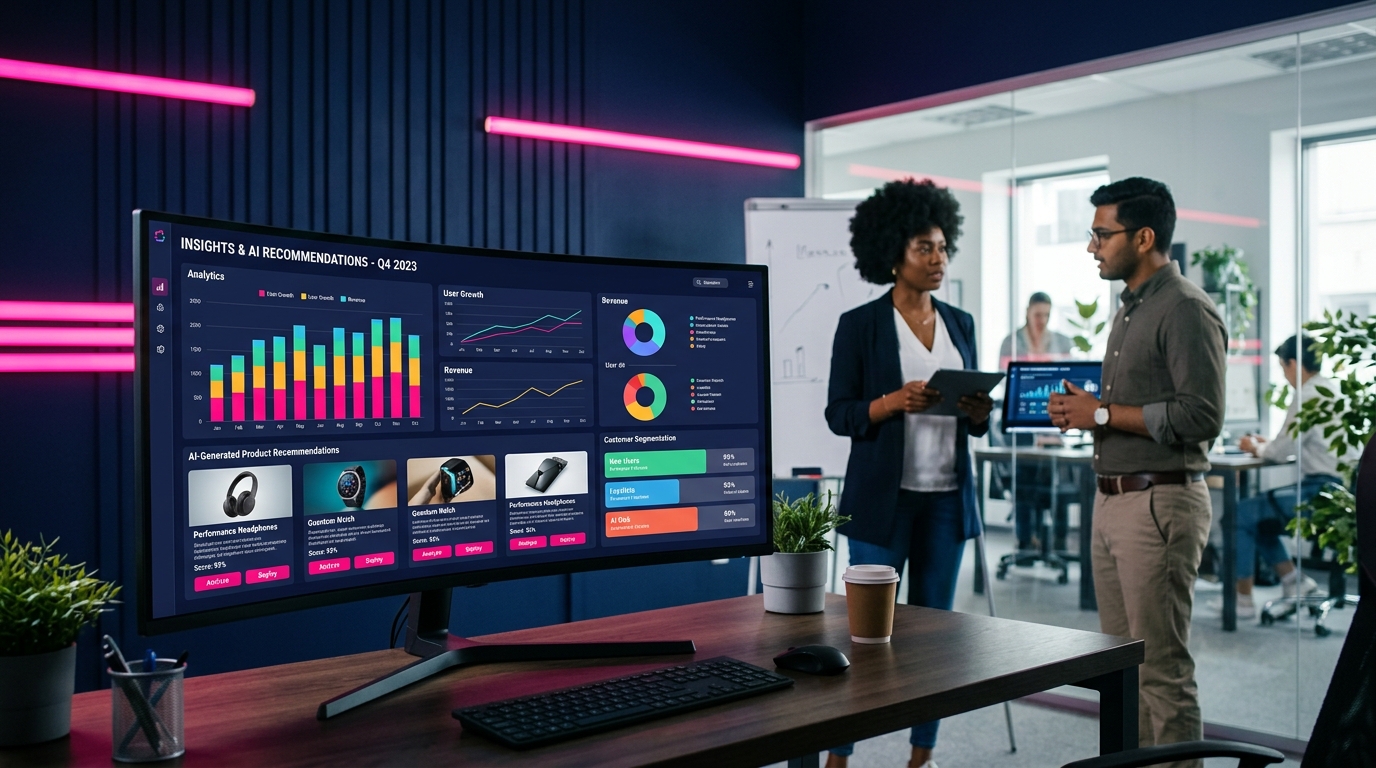
Artificial intelligence is the engine making mass personalization possible. Platforms like Klaviyo handle email segmentation and dynamic content at scale, while tools like Dynamic Yield customize your website experience in real time based on browsing behavior, location, and purchase history. Shopify’s native AI suite and Intercom’s chatbot infrastructure mean your store can deliver instant, context-aware support around the clock—directly reducing cart abandonment.
Predictive analytics takes it further. By analyzing behavioral signals—what users browse, pause on, and skip—AI can surface the right product at the right moment, with some studies pointing to conversion rate lifts of up to 30%.
Your action: Audit your current martech stack. If you’re not running behavior-triggered email flows or real-time onsite personalization, that’s your first investment priority.
2. Sustainability Is Now a Sales Strategy
Environmental responsibility has crossed the threshold from brand virtue to purchase driver. By 2026, an estimated 65% of consumers will actively choose sustainable brands over alternatives—meaning your eco-practices are now a conversion lever, not just a PR exercise.
What does this look like in practice? It starts with supply chain transparency: sourcing sustainable raw materials, partnering with ethical manufacturers, and documenting every step. It extends to packaging—biodegradable mailers, minimal plastic, recycled materials—and shipping, with carriers like Sendle and DHL’s GoGreen program offering carbon-neutral delivery options.
Critically, your sustainability story needs a home on your website. A dedicated “Our Sustainability Promise” page—covering your supply chain ethics, waste reduction targets, and environmental certifications—builds trust and earns SEO traction for high-intent queries like “sustainable ecommerce brands 2026.”
Don’t just list commitments. Show the work. Behind-the-scenes blog posts, supplier spotlights, and progress reports turn your sustainability program into a content engine that keeps giving.
3. Omnichannel Commerce: Meet Customers Everywhere They Shop
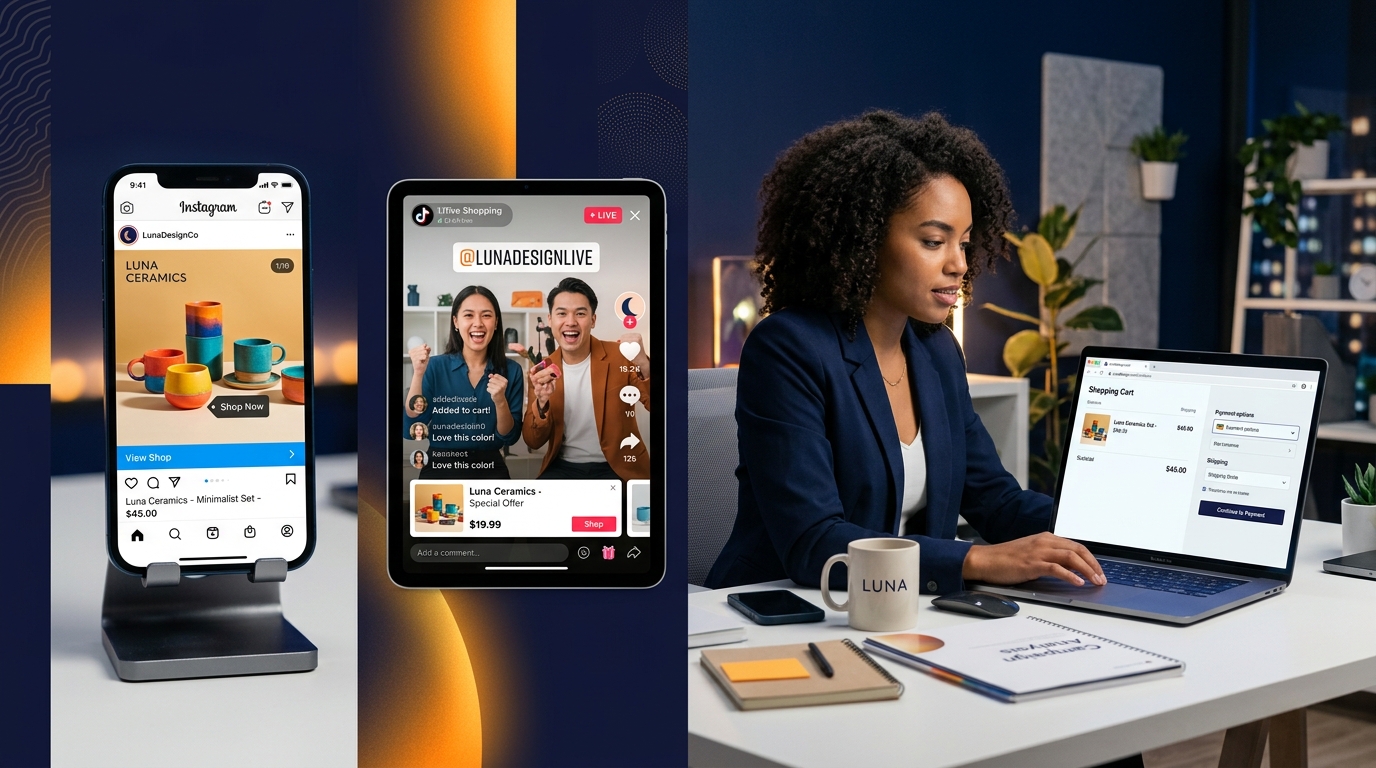
Here’s a number worth taking seriously: social commerce is projected to account for roughly 20% of total ecommerce sales by 2026. That’s not a niche channel—that’s a primary revenue stream.
The omnichannel imperative means your brand needs to show up seamlessly across Instagram, TikTok, Pinterest, and beyond—with shoppable posts, live-streamed product launches, and interactive content that converts browsing into buying. TikTok live shopping events, where customers purchase directly during a broadcast, are already generating significant revenue for fashion and beauty brands.
Beyond social, marketplace expansion matters. Amazon, Etsy, and eBay each unlock distinct customer pools. But none of it lands if your website isn’t mobile-optimized—because 70% of online shoppers are arriving on mobile devices. Tools like Google’s PageSpeed Insights can pinpoint exactly where your load times and UX are costing you conversions
Omnichannel vs. Single-Channel: A Quick Comparison
| Feature | Single-Channel | Omnichannel |
|---|---|---|
| Customer reach | Limited to one platform | Across web, social, marketplace, mobile |
| Shopping experience | Fragmented if they find you elsewhere | Seamless and consistent everywhere |
| Revenue potential | Capped by one audience | Scales across multiple revenue streams |
| Brand visibility | Lower discovery rate | Higher discovery through multiple touchpoints |
| Complexity | Simple to manage | Requires coordination but pays off significantly |
4. Emerging Technologies: Lead With Innovation
The brands that experiment today own the narrative tomorrow. Three technologies in particular are moving from novelty to necessity.
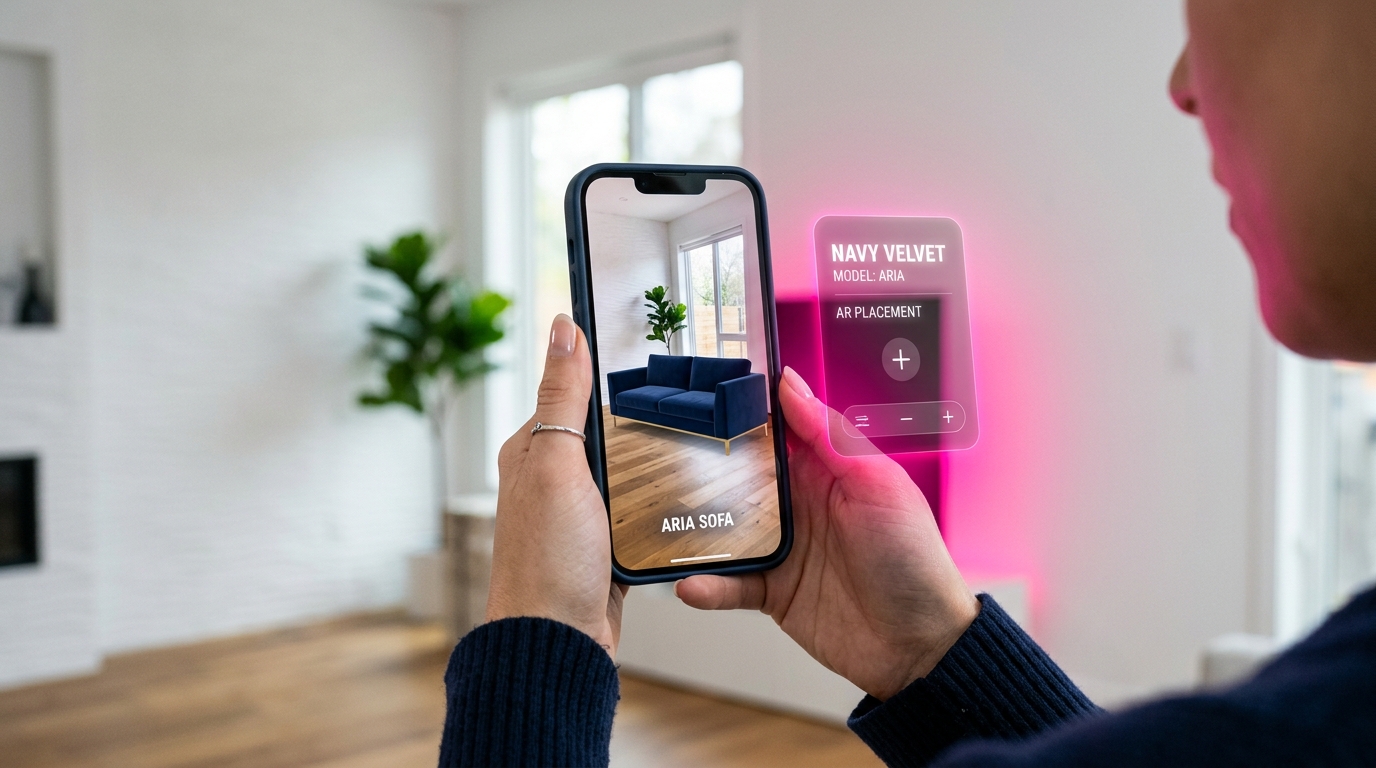
Augmented Reality (AR): AR-enabled virtual try-ons are reducing return rates by up to 25% in categories like apparel, accessories, and home décor. Shopify’s 3D product visualization tool lets customers see how a sofa looks in their living room—or how a jacket fits on a virtual model—before committing. That confidence translates directly into fewer returns and higher satisfaction.
Voice Commerce: By 2026, an estimated 50% of searches will be voice-based. Optimizing your product descriptions for conversational queries—”best eco-friendly skincare brands near me”—positions you for discovery on Alexa, Google Home, and Siri. Long-tail conversational keywords are where voice SEO wins.
Blockchain & NFT Loyalty Programs: Forward-looking brands are exploring blockchain-verified transactions and NFT-based rewards—digital collectibles offered to repeat customers that function as exclusive loyalty tokens. The barrier to entry is falling, and early adopters are building communities competitors can’t easily replicate.
Start small: Pilot AR on one product category. Optimize voice search on your top five product pages. Test before you scale.
5. Authentic Storytelling: The Competitive Advantage You Can't Buy
Technology drives traffic. Story drives loyalty. With roughly 90% of consumers citing authenticity as a deciding factor in brand loyalty, your narrative isn’t a marketing afterthought—it’s a core asset.
What does authentic storytelling look like for an ecommerce brand? It’s the founder’s origin story told honestly—including the failures. It’s the artisan profile that puts a face and a name to your handmade product line. It’s the behind-the-scenes video showing how your ceramics are thrown and fired, with a direct purchase link embedded.
User-generated content (UGC) amplifies this further. Launch a branded hashtag—something like #MyBrandMoment—that invites customers to share their experience. Feature that content prominently on your homepage and social feeds. Real customers using real products convert better than any polished campaign, because they carry inherent social proof.
The SEO dividend is real too. Authentic long-form content targeting phrases like “sustainable handmade [product category] 2026” compounds in authority over time—especially as Google continues to reward Experience, Expertise, Authoritativeness, and Trustworthiness (E-E-A-T) signals.
Your 2026 Ecommerce Readiness Checklist
Use this as your strategic audit before Q3 planning:
AI & Personalization
Behavior-triggered email flows are live (Klaviyo or equivalent)
On-site personalization tool implemented (Dynamic Yield or equivalent)
AI chatbot installed for 24/7 support and cart recovery
Sustainability
“Our Sustainability Promise” page published on your website
Eco-friendly or biodegradable packaging in use
Carbon-neutral shipping option offered at checkout
Omnichannel
Instagram and TikTok storefronts set up with shoppable posts
Website loads in under 3 seconds on mobile (verified via PageSpeed Insights)
At least one marketplace channel active (Amazon, Etsy, or eBay)
Emerging Tech
AR or 3D visualization tested on at least one product category
Product descriptions optimized for voice search (conversational queries)
Storytelling & Community
Brand origin story published (blog or video)
Branded hashtag campaign active
UGC featured on homepage and social profiles
Weekly content cadence (blog, social, or email) established
Frequently Asked Questions
Entry-level tools like Klaviyo start at accessible monthly rates and scale with your list size. Mid-tier platforms like Dynamic Yield are better suited for brands with established traffic. Start with email personalization—it delivers fast ROI—and layer in on-site tools as revenue grows.
Not at all. Small and mid-sized brands often lead here because they have shorter supply chains to audit and more flexibility to pivot. Start with packaging—swap to biodegradable mailers—and build outward. Your story is often more compelling than a corporation’s.
Speed. Run your site through Google’s PageSpeed Insights today. Compress images, minimize redirect chains, and enable lazy loading. A one-second improvement in mobile load time can increase conversions meaningfully—some brands report gains of 7% or more per second recovered.
Yes—particularly for visual product categories like fashion, beauty, home goods, and food. The platform actively promotes live commerce, meaning organic reach is still strong for brands willing to show up consistently. Start with one live session per week to test product-audience fit.
Track organic traffic growth on story-driven pages, email open rates for narrative-led campaigns, and UGC engagement rates. Long-form brand content tends to compound over 6–12 months, so set realistic timelines and track assisted conversions—not just direct ones.
The Strategic Path Forward
Your 2026 ecommerce strategy doesn’t require perfection—it requires direction. The brands that will lead aren’t necessarily those with the largest budgets; they’re the ones that move with intention, test relentlessly, and tell their story honestly. AI personalization, sustainability, omnichannel presence, emerging technology, and authentic community-building aren’t separate tracks. They’re five pillars of the same foundation.
Audit where you stand today. Prioritize the pillar with the biggest gap between where you are and where the market expects you to be. Then execute—systematically and consistently.
The future of ecommerce belongs to brands that start building it now.
For more information about Outreach Brands’ forward-thinking digital marketing services, complete the online request form below.